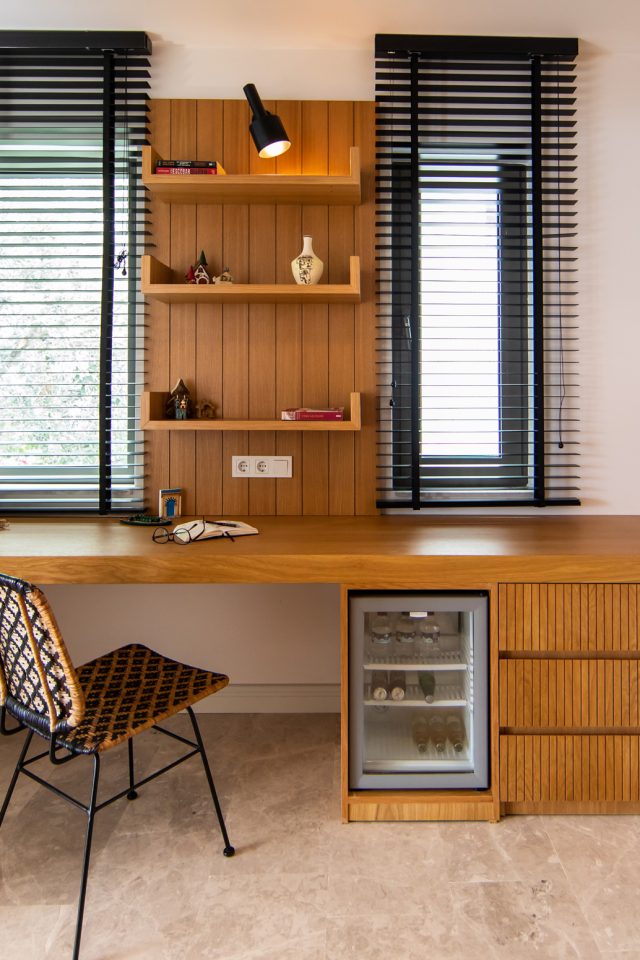
Custom
Made Works
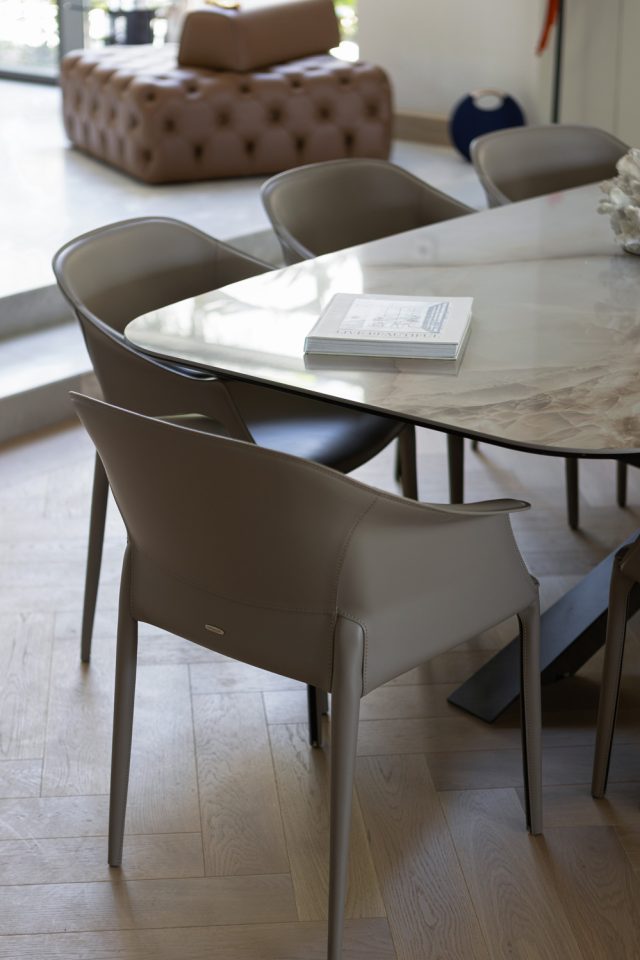
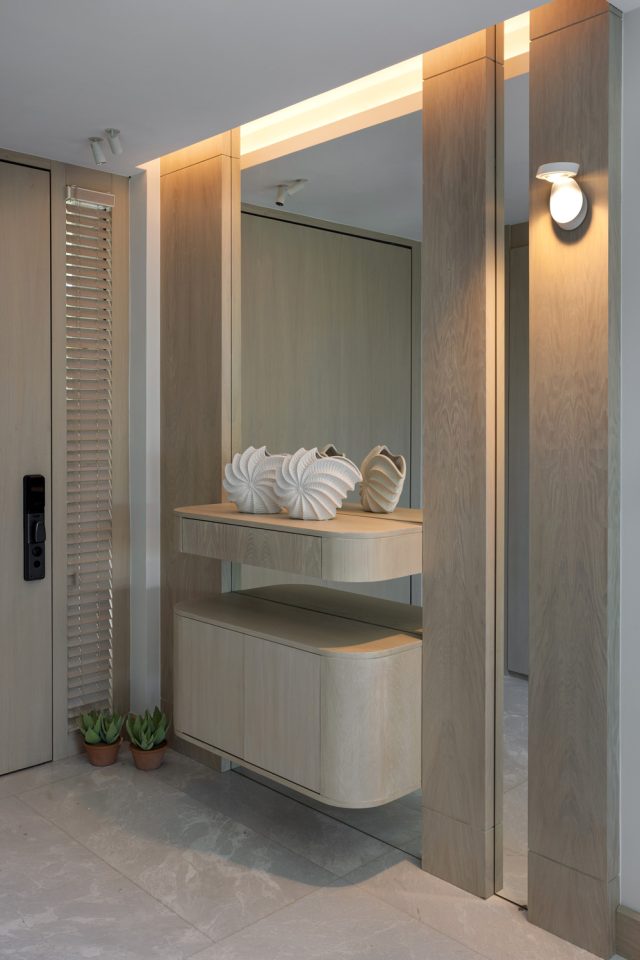
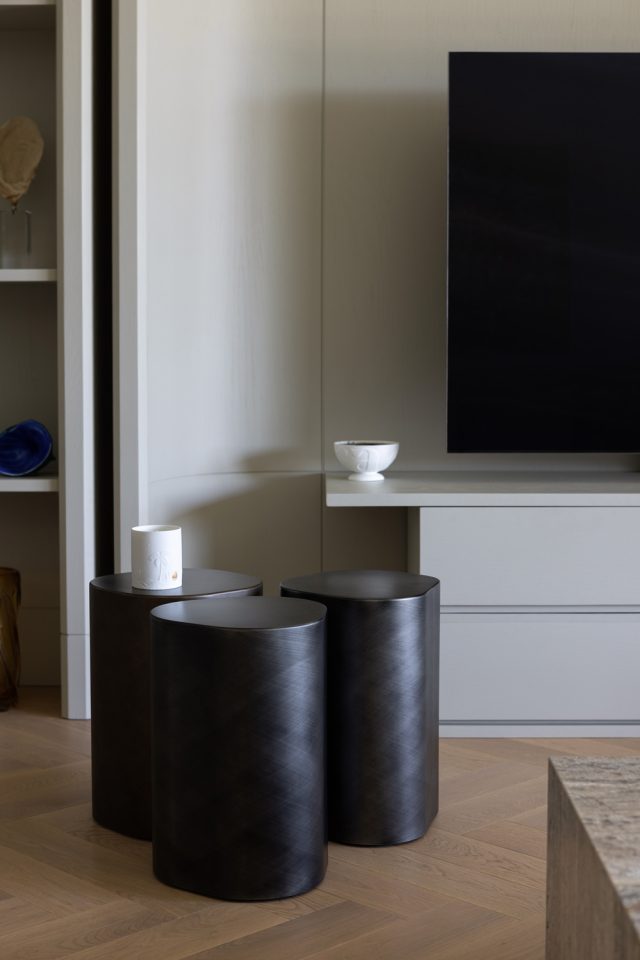
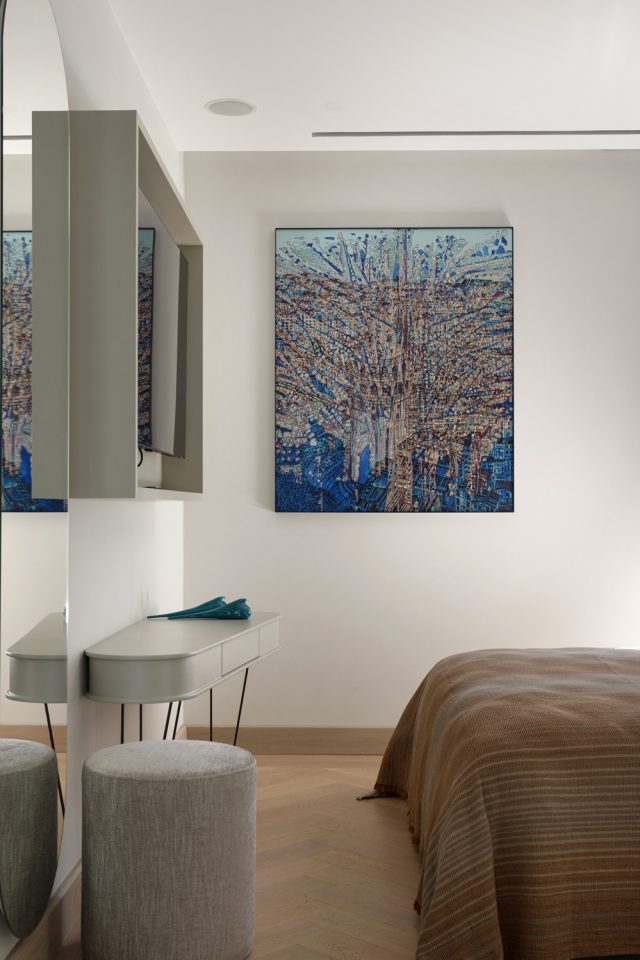
Custom-made furniture manufacturing involves designing and creating unique pieces of furniture tailored to the specific needs, preferences, and space requirements of individual customers. This process typically requires skilled craftsmanship, advanced tools, and a deep understanding of design principles. Here’s an overview of the key steps involved:
1. Consultation and Design
- Client Requirements: The first step involves meeting with the client to understand their needs, style preferences, and thefunctionality required for the piece. Measurements of the intended space are also taken.
- Concept Design: Based on the consultation, designers create initial sketches or 3D renderings of the furniture, showing materials, finishes, and dimensions.
- Material Selection: The client chooses materials (wood, metal, glass, upholstery, etc.) based on durability, aesthetics, and budget.
2. Prototyping
- Building a Prototype: A prototype or mock-up might be created to ensure the design works in real-world settings. This allows foradjustments before the final product is manufactured.
- Client Approval: The client reviews the prototype and provides feedback for any changes or modifications.
3. Manufacturing
- Material Sourcing: After final design approval, the necessary materials (wood, leather, fabrics, etc.) are sourced.
- Crafting: Skilled craftsmen use specialized tools and techniques to cut, shape, and assemble the furniture. Depending on thedesign, this could involve woodworking, metalworking, upholstery, or a combination of these.
- Finishing: After assembly, the piece is finished with paints, stains, varnishes, or coatings to protect the surface and enhance itslook.
4. Quality Control
- Inspection: The finished product is thoroughly inspected for any flaws, structural issues, or cosmetic imperfections.
- Adjustments: If necessary, adjustments are made to ensure the piece is perfect.
5. Delivery and Installation
- Transportation: The custom furniture is carefully transported to the client’s location.
- Installation: For larger or more complex pieces, professional installers may be required to assemble and place the furniture in thedesired location.
Benefits of Custom-Made Furniture:
- Personalization: Custom furniture can be designed to fit specific spaces, tastes, and functional needs.
- Quality: Often built with higher-quality materials and craftsmanship than mass-produced furniture.
- Unique Design: Each piece is one-of-a-kind, making it a distinctive addition to any home or office.
- Durability: Custom pieces are often more durable due to superior materials and craftsmanship.
Custom furniture manufacturing typically caters to a wide range of clients, from individuals seeking personalized home décor tobusinesses needing custom office or retail furniture. It can be a more expensive option compared to mass-produced furniture but offers a high level of personalization and quality.